
Blood pressure is one of the most critical indicators of your heart health. It refers to the force of blood pushing against the walls of your arteries as your heart pumps. When blood pressure is too high or too low, it can cause significant health complications. Understanding its types, causes, symptoms, and treatments is key to preventing heart disease, stroke, and other complications.
What is Blood Pressure?
Blood pressure is measured using two numbers:
- Systolic pressure (top number): Pressure in your arteries when your heart beats.
- Diastolic pressure (bottom number): Pressure when your heart rests between beats.
Normal Range:
- Normal: Less than 120/80 mmHg
- Elevated: 120-129/<80 mmHg
- High (Hypertension Stage 1): 130-139/80-89 mmHg
- High (Hypertension Stage 2): ≥140/90 mmHg
- Hypertensive Crisis: ≥180/120 mmHg (medical emergency)
- Low blood pressure (Hypotension): <90/60 mmHg
Types of Blood Pressure Conditions
1. High Blood Pressure (Hypertension)
Occurs when the force of the blood is consistently too high. It often develops over years and usually shows no symptoms early on, which is why it’s called the “silent killer.”
2. Low Blood Pressure (Hypotension)
When your blood pressure drops too low, it can lead to dizziness, fainting, or even shock in extreme cases.
3. White Coat Hypertension
A temporary spike in blood pressure readings caused by anxiety during a doctor’s visit.
4. Masked Hypertension
Normal readings in a clinical setting, but elevated readings at home or in daily life.
5. Resistant Hypertension
High blood pressure that doesn’t respond well to standard treatments even after using three or more medications.
Causes of Abnormal Blood Pressure
Causes of High Blood Pressure:
- Genetics – Family history of hypertension.
- Poor Diet – Excessive salt, sugar, and processed foods.
- Lack of Physical Activity
- Obesity
- Smoking and Alcohol
- Stress
- Chronic Conditions – Such as diabetes, kidney disease, and thyroid disorders.
- Age – Risk increases with age.
- Certain Medications – Such as NSAIDs, birth control pills, and decongestants.
Causes of Low Blood Pressure:
- Dehydration
- Nutrient Deficiencies – Especially vitamin B12 and folate.
- Heart Problems – Weak heart muscle or arrhythmias.
- Endocrine Disorders
- Severe Infection (Septicemia)
- Blood Loss or Trauma
- Certain Medications – Diuretics, antidepressants, or beta-blockers.
Common Symptoms
High Blood Pressure Symptoms (Usually Silent):
- Persistent headaches
- Dizziness
- Nosebleeds (in extreme cases)
- Blurred vision
- Chest pain or irregular heartbeat (in advanced cases)
Low Blood Pressure Symptoms:
- Dizziness or light-headedness
- Fainting
- Fatigue
- Blurred or tunnel vision
- Cold, clammy skin
- Confusion (especially in older adults)
How is Blood Pressure Diagnosed?
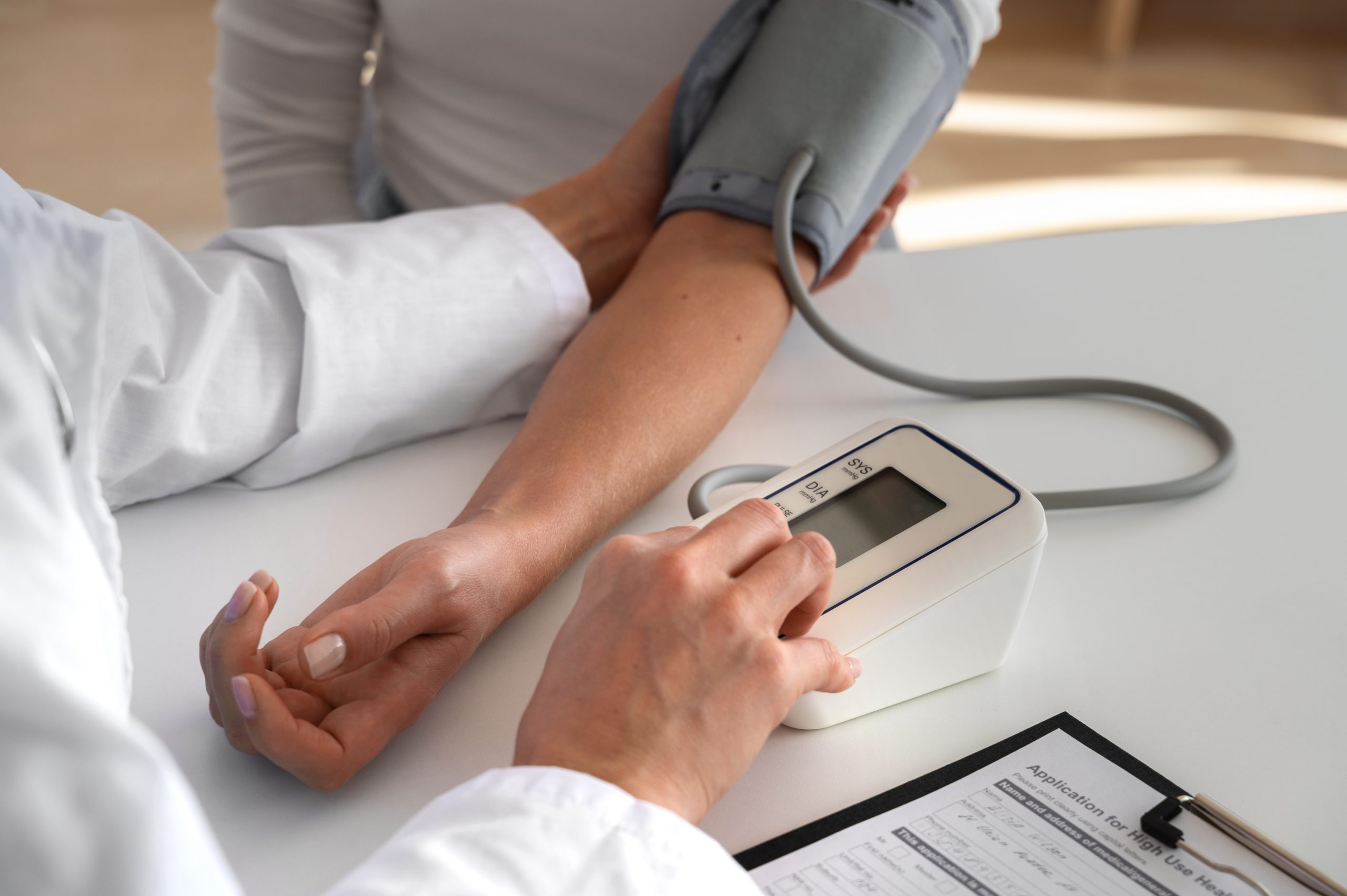
- Digital BP Monitor or Sphygmomanometer
- Ambulatory BP Monitoring – 24-hour tracking device.
- Home BP Monitoring – Helpful for spotting masked or white coat hypertension.
- Blood and Urine Tests – To check for underlying conditions.
- ECG or Echocardiogram – If heart-related issues are suspected.
Treatment Options
1. Lifestyle Changes (First-line defence)
a. For High Blood Pressure:
- Diet: Follow the DASH (Dietary Approaches to Stop Hypertension) diet – rich in fruits, vegetables, whole grains, lean proteins, and low-fat dairy.
- Limit salt intake to <1,500 mg/day.
- Regular exercise – At least 30 minutes of moderate activity most days.
- Weight loss – Even losing 5-10% of body weight helps.
- Quit smoking and reduce alcohol consumption.
- Manage stress through yoga, meditation, or breathing exercises.
b. For Low Blood Pressure:
- Increase fluid intake to prevent dehydration.
- Eat smaller, more frequent meals
- Add more salt (under guidance)
- Avoid sudden posture changes
- Wear compression stockings if blood pools in your legs.
2. Medications
For High Blood Pressure:
- Diuretics – Help remove excess salt and fluid.
- ACE inhibitors – Relax blood vessels.
- Beta-blockers – Reduce heart rate and workload.
- Calcium channel blockers
- ARBs (Angiotensin II receptor blockers)
For Low Blood Pressure:
- Fludrocortisone – Helps retain salt.
- Midodrine – Constricts blood vessels to raise pressure.
Note: Never self-medicate. All treatment should be guided by a certified healthcare professional.
Risks of Uncontrolled Blood Pressure
Risks of High BP:
- Heart attack and stroke
- Kidney damage
- Eye damage (retinopathy)
- Cognitive decline and dementia
- Heart failure
Risks of Low BP:
- Injury from falls
- Organ damage due to insufficient blood supply
- Shock (life-threatening condition in severe cases)
When to See a Doctor?
- If your readings are consistently above 130/80 mmHg or below 90/60 mmHg.
- If you experience fainting, dizziness, or chest pain.
- If you’re pregnant and suspect abnormal blood pressure.
- If you have diabetes or kidney disease – BP monitoring is essential.
Final Thoughts
Blood pressure may seem like a small number, but it has a huge impact on your long-term health. Since both high and low blood pressure can often be silent, regular monitoring is key—especially if you’re over 35 or have a family history of heart disease. Early detection, lifestyle changes, and proper treatment can help you live a longer, healthier life with a strong heart.