

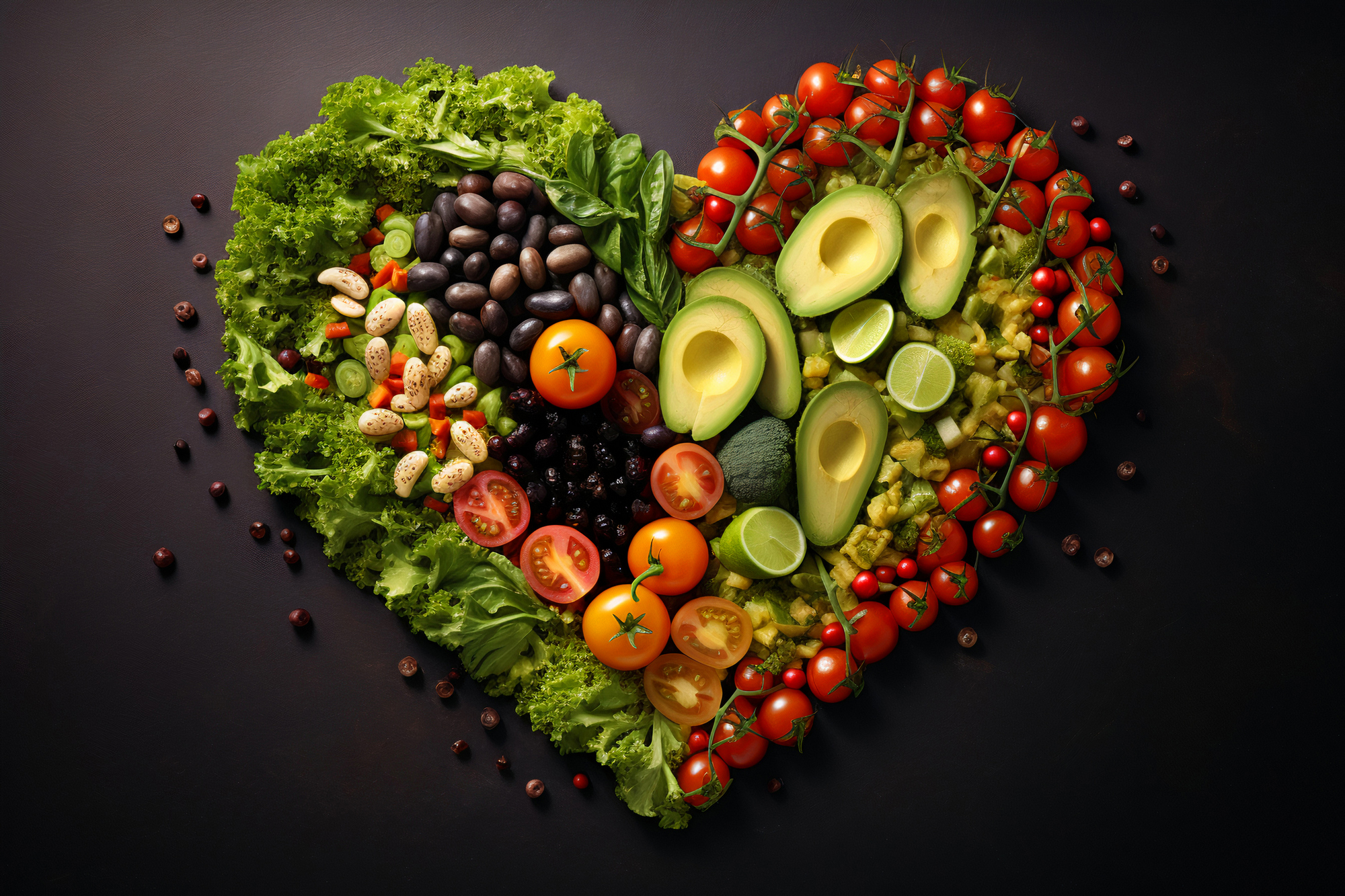
A healthy heart is the foundation of a long and active life. Yet today, heart-related diseases are rising at an alarming rate due to busy lifestyles, stress, lack of physical activity, and especially poor eating habits. The good news is that your diet can play a massive role in improving heart health. Choosing the right Heart Health Foods can positively influence cholesterol levels, blood pressure, inflammation, and overall cardiovascular function. In this blog, we will explore the most effective Heart Health Foods, their benefits, and how you can easily include them in your daily routine.
Why Diet Matters for Heart Health
What you eat directly affects the health of your heart and blood vessels. Diets rich in unhealthy fats, sugars, and processed foods increase the risk of plaque buildup in arteries, high blood pressure, and high cholesterol. On the other hand, nutrient-rich foods packed with fiber, antioxidants, and healthy fats support your heart’s function and reduce inflammation.
A heart-healthy diet helps maintain healthy cholesterol levels, improves blood circulation, and lowers the chances of stroke and heart attack. Foods rich in omega-3 fatty acids, potassium, fiber, and vitamins work together to strengthen your cardiovascular system. By making mindful food choices, you can significantly reduce the risk of chronic heart diseases and support overall wellness.
Top Heart-Healthy Foods You Should Include
Here are some of the best foods proven to boost cardiovascular health:
1. Fatty Fish (Salmon, Mackerel, Tuna, Sardines)
Fatty fish are one of the richest sources of omega-3 fatty acids — essential nutrients that help reduce inflammation, lower triglycerides, and improve overall heart rhythm. Omega-3s also prevent blood clots and help maintain healthy blood vessels.
How to include: Enjoy grilled salmon, baked fish, tuna salads, or sardines on whole-grain toast. Aim for at least two servings per week.
2. Whole Grains (Oats, Quinoa, Brown Rice, Barley)
Whole grains are packed with soluble fiber, which helps lower LDL (bad) cholesterol levels. They also assist in maintaining stable blood sugar, which is critical for controlling heart disease risks.
How to include: Start your day with oatmeal, swap white rice for brown rice, or include quinoa salads in your lunch.
3. Leafy Green Vegetables (Spinach, Kale, Broccoli)
Leafy greens are rich in vitamins, minerals, and antioxidants. They contain nitrates that help improve blood flow and reduce blood pressure. High magnesium and potassium content also help maintain a healthy heartbeat.
How to include: Add spinach to your smoothies, toss kale into salads, or steam broccoli as a side dish.
4. Berries (Blueberries, Strawberries, Raspberries)
Berries are loaded with antioxidants, especially anthocyanins, which reduce inflammation and oxidative stress. They also help regulate blood pressure and improve vascular function.
How to include: Eat them fresh, add them to yogurt, oatmeal, or blend them into smoothies.
5. Nuts and Seeds (Walnuts, Almonds, Chia Seeds, Flaxseeds)
Nuts and seeds offer healthy fats, plant protein, and fiber — all essential for heart health. Walnuts are particularly rich in omega-3s, while almonds contain vitamin E that supports artery health.
How to include: Take a small handful of nuts daily, sprinkle chia or flaxseeds on salads, smoothies, or breakfast bowls.
6. Olive Oil
Olive oil is a staple in the Mediterranean diet, known for its heart-protective benefits. It contains monounsaturated fats, which reduce inflammation and protect blood vessels from damage.
How to include: Use extra virgin olive oil in cooking, salad dressings, or as a healthier alternative to refined vegetable oils.
7. Beans and Legumes (Lentils, Chickpeas, Kidney Beans)
Beans and legumes are low in fat but high in fiber, protein, and minerals. Their soluble fiber helps reduce bad cholesterol, making them excellent for heart health.
How to include: Add lentils to soups, chickpeas to salads, or enjoy bean-based curries and stews.
8. Avocados
Avocados are rich in monounsaturated fats and potassium, a crucial mineral for maintaining normal blood pressure. They help reduce LDL cholesterol while increasing HDL (good) cholesterol.
How to include: Mash avocados on toast, add them to sandwiches, salads, or smoothies.
9. Dark Chocolate (70% Cocoa or Higher)
Dark chocolate, when consumed in moderation, is rich in flavonoids that boost blood circulation and lower blood pressure. It also helps reduce stress, which indirectly benefits heart health.
How to include: Enjoy a small piece after meals — avoid chocolates with added sugars and artificial ingredients.
10. Tomatoes
Tomatoes are rich in lycopene, a strong antioxidant that helps reduce the risk of clogged arteries. They also contain vitamin C and potassium, making them great for cardiovascular function.
How to include: Use tomatoes in salads, soups, and sandwiches, or cook with them daily in Indian dishes.
Foods to Avoid for Better Heart Health
While some foods promote heart health, others can damage it. Avoid or limit:
- Trans fats and deep-fried foods, which raise cholesterol
- Processed meats like sausages and salami
- Refined sugars are found in sweets, pastries, and soft drinks
- Excess sodium is commonly found in packaged snacks, instant noodles, and pickles.
- Highly processed foods that cause inflammation and weight gain
Reducing these foods lowers your risk of high blood pressure, obesity, and metabolic disorders.
Simple Lifestyle Tips to Boost Heart Health
Eating smart is only one part of heart care. Combine it with healthy habits:
- Engage in at least 30 minutes of exercise daily.
- Maintain a balanced diet rich in fruits, vegetables, and whole foods.
- Avoid smoking and limit alcohol consumption.
- Stay hydrated throughout the day.
- Practice stress-reducing activities like yoga, meditation, or deep breathing.
- Go for regular health check-ups to monitor cholesterol and BP.
Small daily choices create a powerful long-term impact on your heart’s well-being.
Conclusion
Your heart works tirelessly for you — and the least you can do is fuel it with the right foods. Choosing nutrient-rich heart health foods such as fruits, whole grains, fatty fish, nuts, and olive oil can dramatically reduce the risk of heart diseases. With mindful eating and healthy habits, you can build a stronger, healthier heart and a better quality of life. Start small, stay consistent, and let every meal become a step toward lifelong heart wellness.